Keyser Pressure Vessels Applications
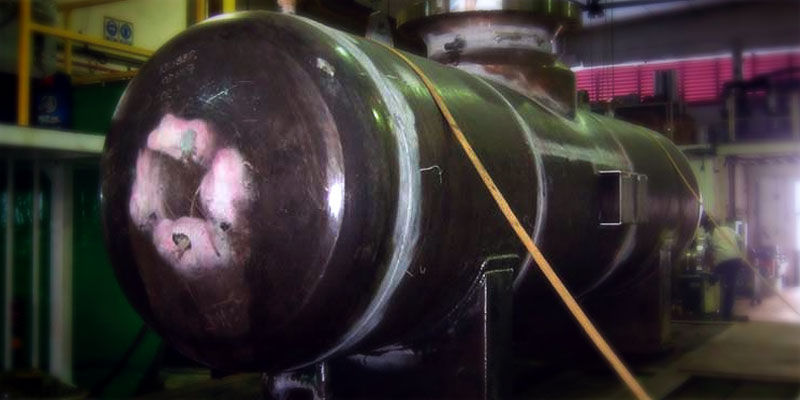
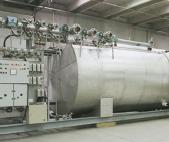
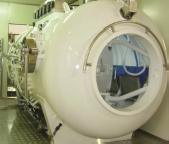
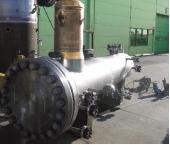
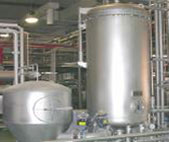
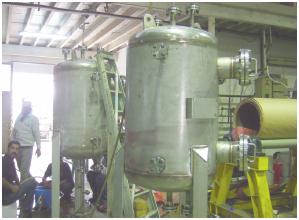
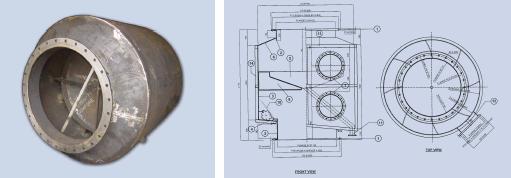
Keyser pressure vessels are used actively in many areas in both the industrial and private sector. For example, in the industrial field, they are used in compressed air receivers and domestic hot water storage tanks. Some other examples of pressure vessels includes recompression chamber, diving cylinder, distillation towers, and vessels used in oil refineries and petrochemical plants, nuclear reactor vessel, , pneumatic reservoir, rail vehicle airbrake reservoir, road vehicle airbrake reservoir and storage vessels for liquified gases such as propane, chlorine, and LPG.
Construction Materials
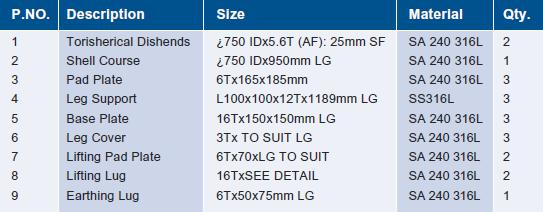
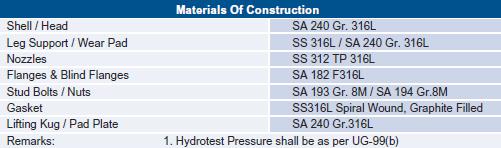
Most materials with good tensile properties that is chemically stable in the chosen application can be used for the construction of pressure vessels, with Steel being the most commonly material. To manufacture a spherical pressure vessel, forged parts would have to be welded together. Forging can be used to increase some of the mechanical properties of steel. However, welding can sometimes reduce these desirable properties. Carefully selected steel with a high impact resistance & corrosion resistant material should be used to meet international safety standards. Some pressure vessels which are made of wound carbon fibre held in place with a polymer. As carbon fibre possesses very high tensile strength, these vessels can be very light, but are more difficult to manufacture. Other very common materials include polymers such as PET in carbonated beverage containers and copper in plumbing.
Design and operation standards
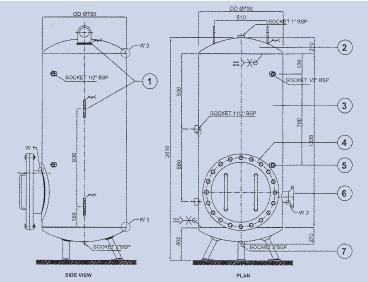
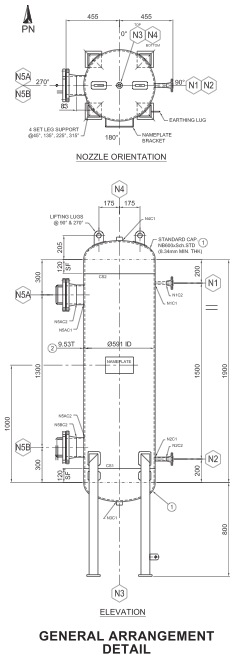
All Keyser pressure vessels are designed to operate safely at a specific pressure and temperature, which are also technically defined as the “Design Pressure” and “Design Temperature”. Due to this, all the designing and the certification of Keyser pressure vessels are governed by design codes such as the ASME Boiler and Pressure Vessel Code in North America and and other international standards like Det Norske Veritas.
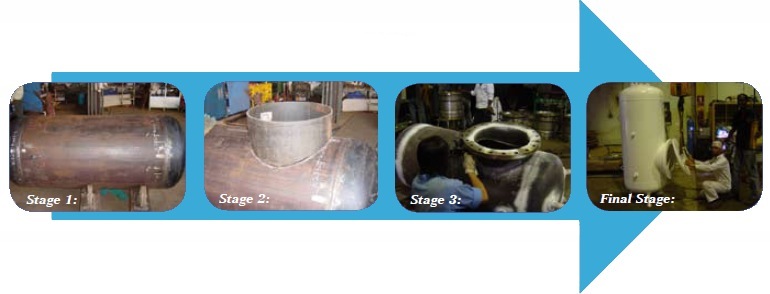
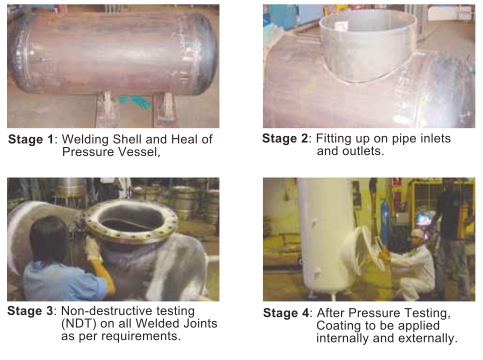
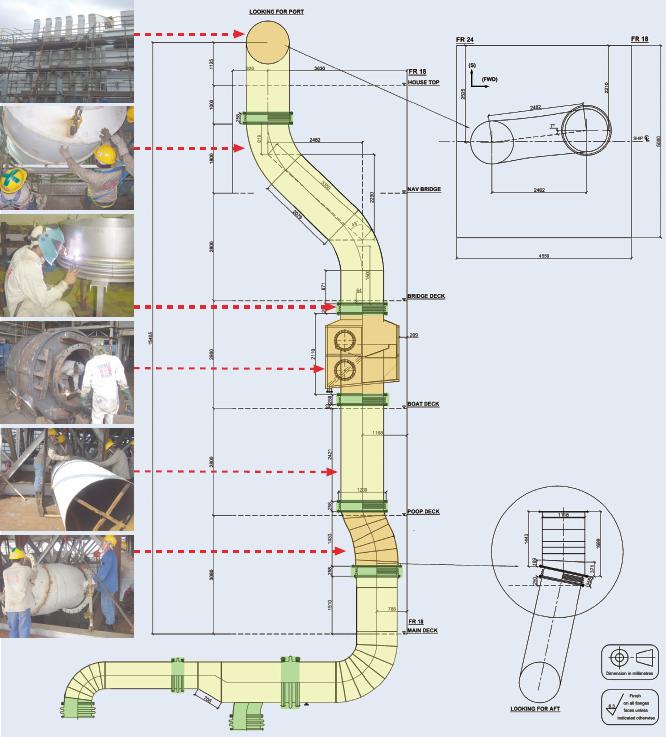
Construction of Keyser Pressure Vessels (Carbon Steel)
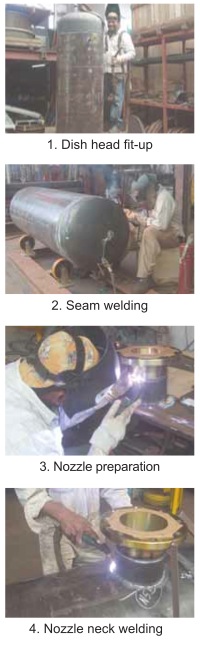
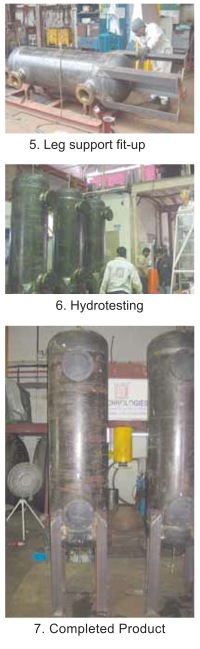
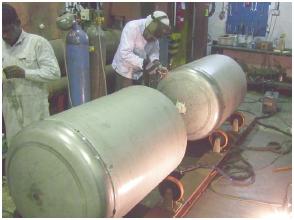
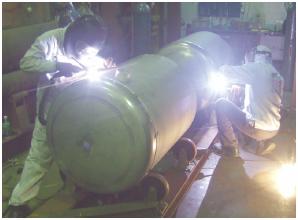
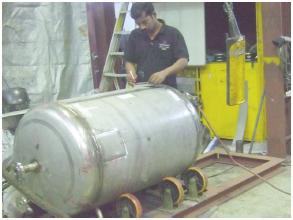
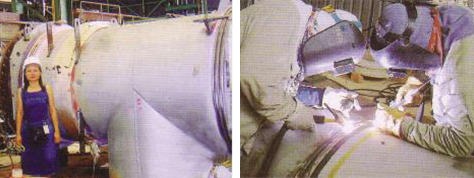
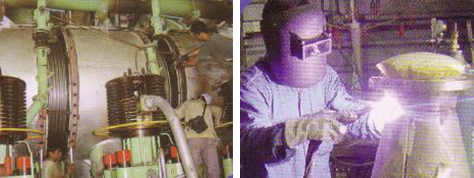
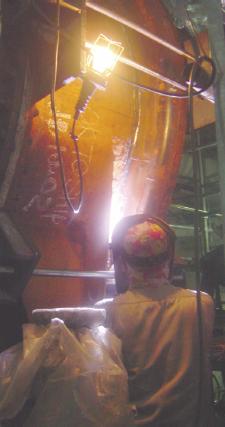
Stage 1: Welding Shell and Heal of Pressure Vessel.
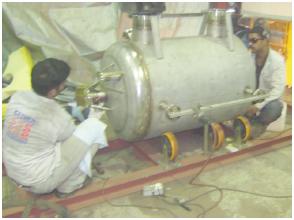
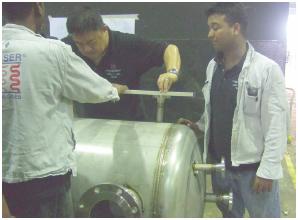
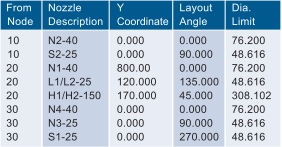
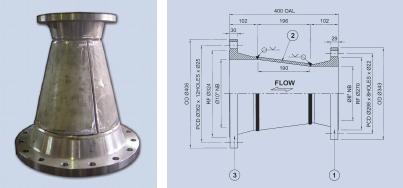
Stage 2: Fitting up on pipe inlets and outlets.
Stage 3: Non-destructive testing (NDT) on all Welded Joints as per requirements.
Stage 4: After Pressure Testing, Coating to be applied internally and externally.